arkadian ANEMOI
Quick Disclaimer
This page is about 90% work in progress. I’m writing it solo between my full-time, cursed bills (sigh) and a vanishing social life. But ideas never stop coming, piling up in my head day after day, sometimes good, sometimes bad…you decide. Progress is slow, but this is the part of the hobby I truly love and the project keeps growing, one piece at a time.
Support is always welcome. Thanks!
That said, instead of leaving everything empty and outdated, what follows is a first early draft: the homebrew starting point meant to show the direction of this page and, hopefully, one day become a fully playable army with a kitbashed miniature collection.
Let me introduce you to the Arkadian Anemoi!
First Draft
If there’s one thing I remember from my ancient history lesson, it’s that a polytheistic religion made up of bearded grandpas with the physique of Hyrox champions, unlimited divine powers and unlimited not-so-divine egos tends to create very little political stability. On the other hand, it is incredibly memorable. Ohhh I’ve just summarized the Olympian pantheon in two sentences.
In the Arcadian archipelago, the moussaka recipe is a little different. Not that different, mind you! We are still dealing with beings capable of shaping reality itself, complete with soap-opera dramas and tendency to meddle in mortal affairs. Let’s just say the “heavenly ingredients” are slightly more Warhammer-flavored. The gods here are not the sons (and slayers) of primordial Titans. They are the Winds of Magic. Literally. Say khairete to the Anemoi of Arkadia!
In Greek mythology, the Anemoi were the minor gods of the four winds: Boreas of the North, Notus of the South, Eurus of the East and Zephyrus of the West. They were the sons of Astraeus and Eos, the god of dusk and the goddess of dawn. In some legends, they even took the form of divine horses and pull the chariot of Zeus across the sky.
In Arkadian mythology, however, the Anemoi are the major gods. They are the living incarnations of the Eight Winds of Magic themselves, pure Aethyr made flesh, bone and much more. Being LIVING incarnations, each of them has consciousness, personality and ambitions, shaped by the nature of its own Wind, as well as an overwhelming desire to be worshipped! Like any respectable pantheon, the Anemoi possess phenomenal cosmic powers and philosophical noble virtues (wisdom, strength, courage…blah blah blah, the classical aretai) but at the same time are also prone to Elvish pride, Human prejudice and Dwarvish grudges. Yes, childish tantrums too. Fortunately, mortal-to-immortal diplomacy is quite simple: sacrifice the cattle, drink the wine or place a marble statue in the middle of the agora. Such measures can solve an astonishing number of theological problems!
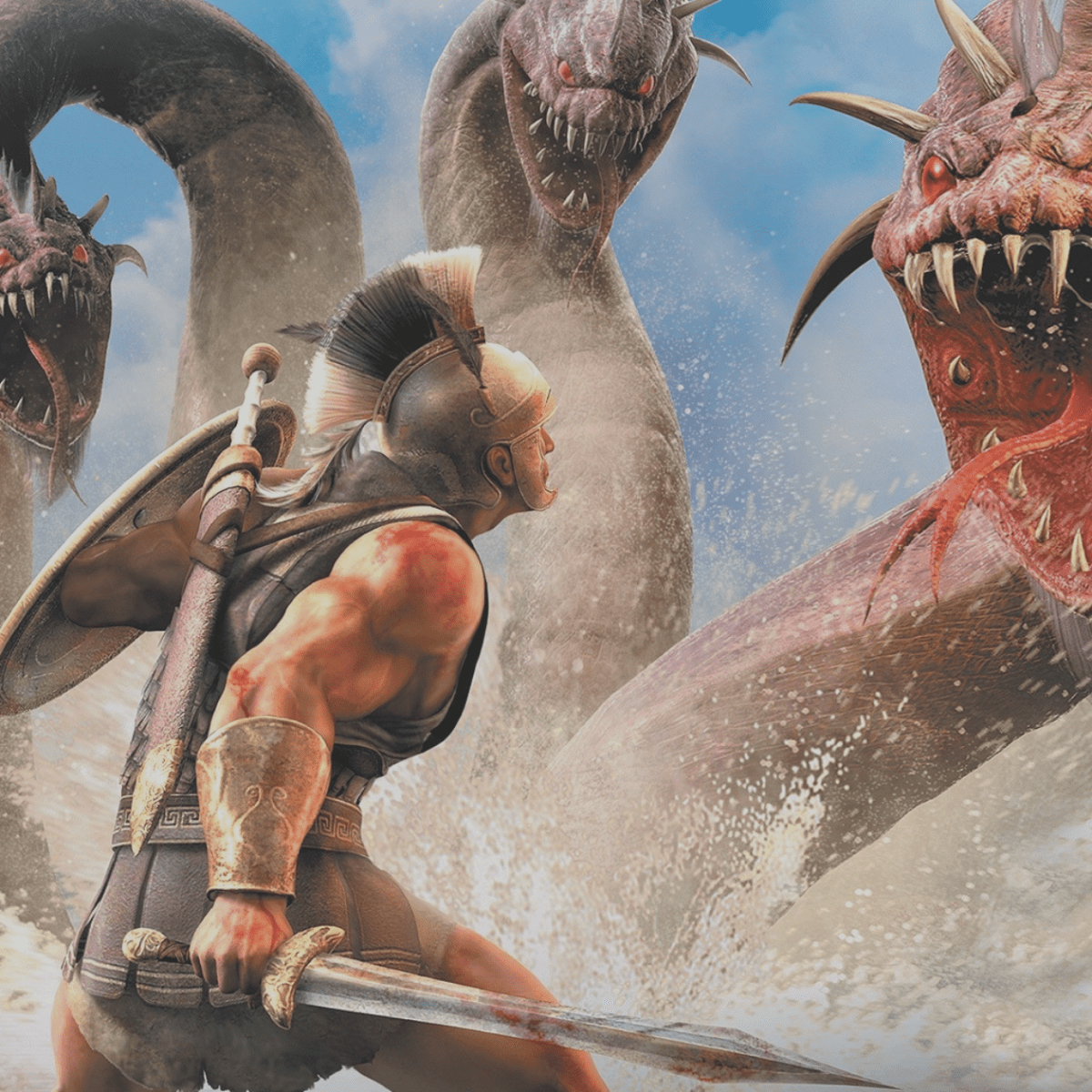
For the more ambitious, nothing says “please, don’t smite me” like multi-beheading a Hydra or claiming victory on the battlefield or in the dodecathlon in the name of an Anemoi. There is also the hard-mode option…the ultimate expression of devotion is meeting them in person on the Elysian Mountains. Like the Cathayan Dragons, the Anemoi are very tangible and surprisingly active in the affairs of the Poleis, both approachable and approaching. Oh yes, exactly what you’re thinking. They have relationships of all kinds with everyone or everything (?) and out come the magic-wind-blooded descendants: the Demianemoi.
So, who are these Winds? The names are still a work in progress, but before losing our souls in homebrew faith, let’s start with the Eight Winds of Magic from official Warhammer lore:
Aqshy – The Red Wind, Lore of Fire
Azyr – The Blue Wind, Lore of Heavens
Chamon – The Yellow Wind, Lore of Metal
Ghur – The Brown Wind, Lore of Beasts
Ghyran – The Green Wind, Lore of Life
Hysh – The White Wind, Lore of Light
Shyish – The Purple Wind, Lore of Death
Ulgu – The Grey Wind, Lore of Shadow
To reach the sacred number of twelve and match the Olympians, I shamelessly included the four major Chaos Gods. Before anyone starts sharpening stakes and pikes, they won’t necessarily be the “Dark Gods” as we know them. Think less End Times and Ruinous Powers, and more neutral aspects of rage and war, decay and disease, sorcery and knowledge, desire and pleasure. Each of them will get an explanation in due time, but for now…sorry not sorry, I needed twelve gods and Chaos replied on LinkedIn.
Every Anemoi has a favorite City-State, one of the Twelve Poleis of Arkadia or the Dodecapitals of the Winds. Now, all the Anemoi are worshipped across the archipelago, but each Polis has one main cult, home to the greatest temples and zealous followers. Just as Athens belonged to Athena, the influence of the Patron Polieus shapes culture, traditions, identity aaaaaand rivalries with neighbors. Some cities are known for philosophers, others for navigators. Some raise the finest hoplites, others the finest…amphora-makers? That said, the Arkadian citizens do not limit themselves only to the tutelary deity. Like any respectable polytheists, they pray to whichever Anemoi is best suited to the occasion. A mariner may call upon Azyr before sailing into a storm, while a blacksmith may call upon Chamon before hammering bronze, for example.
At the center of the main island rise the mighty and mythical Elysian Mountains, where the Anemoi dwell. For poets and priests, this is where the gods gather to discuss the fate of mortals and kingdoms. More likely, they argue about who has the most devotees and sacrifices, whose temples boast the tallest columns and whitest facades, who got whom pregnant this time. It largely depends on the day.
According to divine law, every free citizen has the right to seek an audience with them! So every month, thousands of aspiring heroes decide they are definitely the chosen one and undertake the Path of Belus. This trail and trial is the sacred pilgrimage leading to the High Peak of Mytikas, where the Throne of the Anemoi overlooks all of Arkadia.
Almost nobody succeds…because along the way, every adventurers must pass through twelve Golden Temples, one for each Anemoi. Here stands an Seyaristeroi, the Avatar of the Winds, bearing a unique challenge to prove who is worthy of continuing the ascent. From fighting a Brazen Bull to answering the riddles of a Sphinx. From forging the Artifacts of Vulkan to finishing a full-course meal prepared by the Chef of Cyclopes. After passing the Temples and reaching the summit of Mytikas, the aspiring hero finally becomes the HERO. As a millennial, I refuse to apologize for these Hercules-Saint-Seiya vibes!
As a piece of trivia for your next tavern quiz, Belus was one of the ancient names of Mount Olympus. Mytikas, meanwhile, is the real name of Olympus’ highest peak. And yes, Mount Olympus actually exists in Greece. So technically, climbing the home of the gods could be considered hiking or historical research. See you in the next poem…
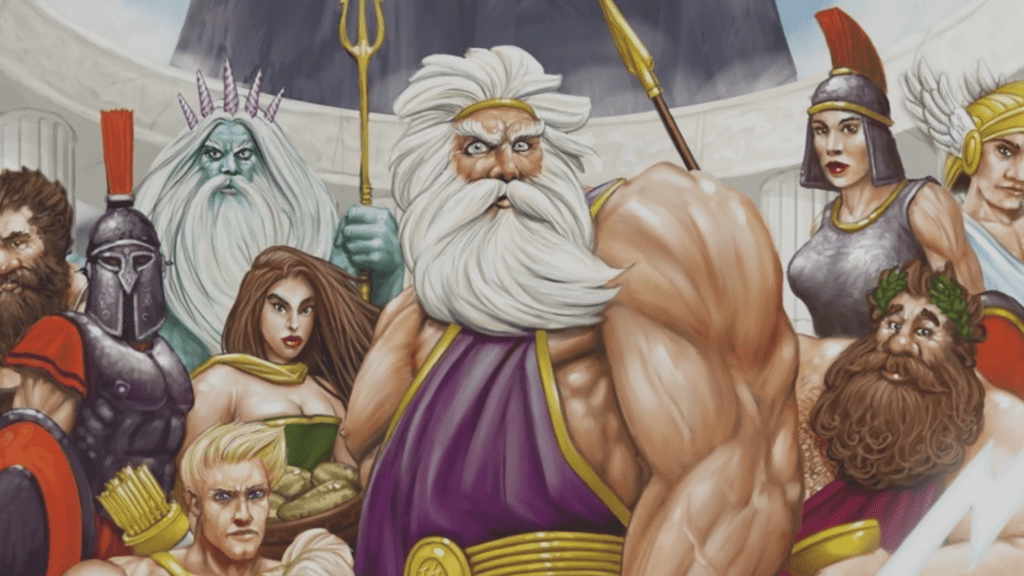
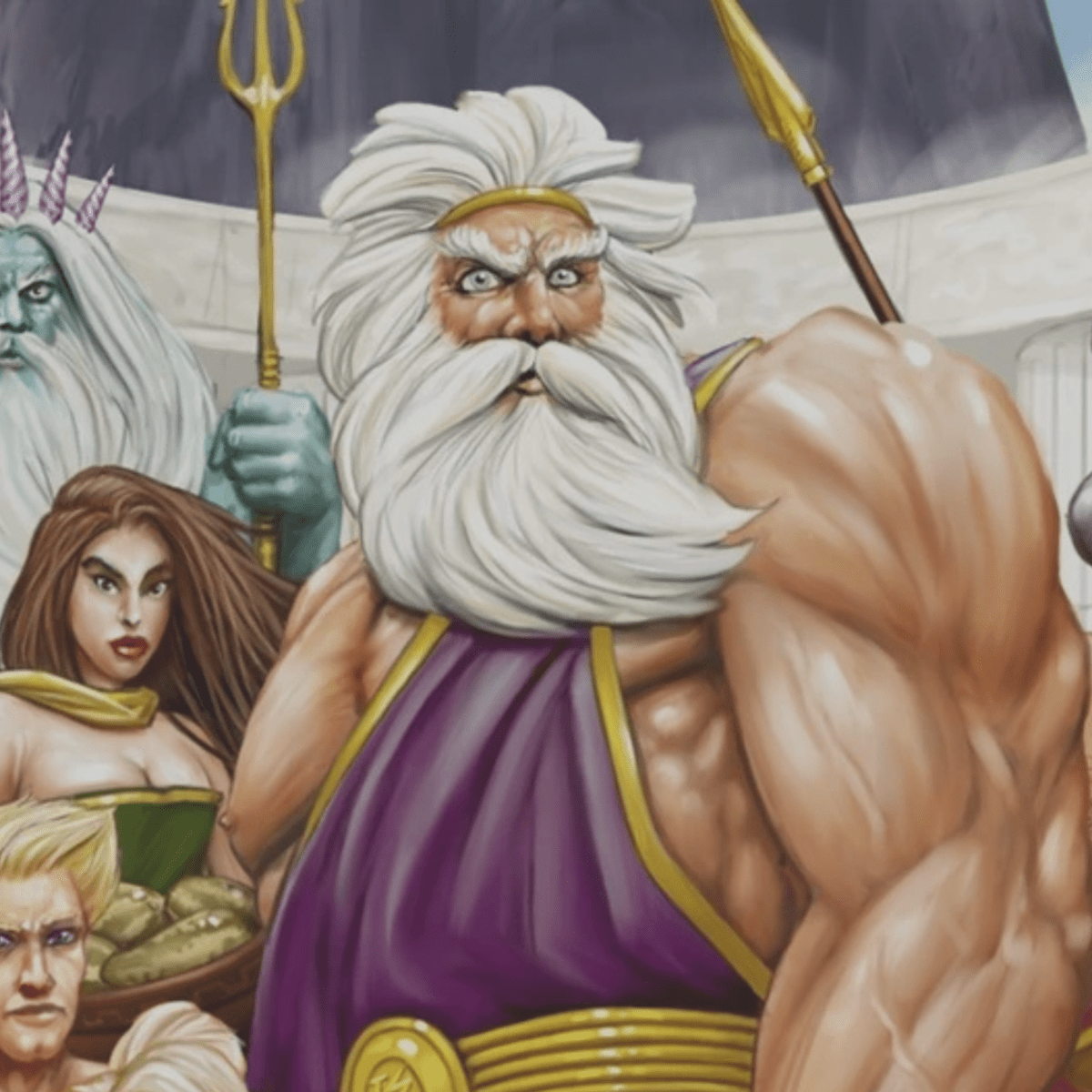
Pantheon of the Twelve
Aqshy
Ghyran
Nurgle
Azyr
Hysh
Khorne
Chamon
Shyish
Slaanesh
Ghur
Ulgu
Tzeentch
Did you enjoy what you just read? You’re already 1d6 steps closer to heresy!
If you want to fuel even more madness, click HERE to support Kustom Codex!
Thanks for reading to the end – safer than the End Times
 Kustom Codex